A Designer's Look at the In My Dad Daughter Era Embroidery
First Impressions: A Heartfelt, Trendy Mood for Modern Gifts
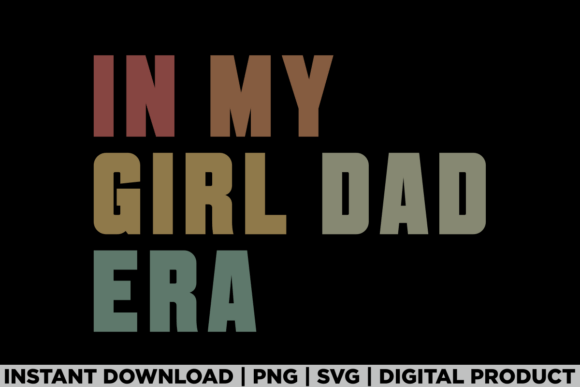
When I first saw the In My Dad Daughter Era Fathers Day Shirt design, my immediate thought was how perfectly it captures a current, affectionate mood. The phrase itself feels fresh and personal, tapping into that special era of a father-daughter relationship. This isn't a generic "Happy Father's Day" script. It’s a graphic that tells a little story, making it ideal for a truly personalized gift. The layout and typography style suggest a design that would translate well into embroidery, with clean shapes and a balanced composition that won’t feel overwhelming on a garment.
Where This Design Finds Its Natural Home
The product category lists it as a T-Shirt Design, and that’s a great starting point. But as a crafter thinking about real projects, its application feels much wider. The mood it creates makes it superb for more than just shirts. I pictured it instantly on a cozy, high-quality sweatshirt – a gift that gets worn year-round. It also leapt to mind for a custom tote bag for a dad, perhaps for carrying books or tools, making a functional item deeply sentimental. Given the warm family theme, it’s also a natural fit for embroidered pillow covers in a nursery or family room, or even a keepsake kitchen towel for a dad who loves to cook.
The description mentions it’s ideal for various occasions and people, and I agree. While "Fathers Day" is in the title, the "era" concept is timeless. This machine embroidery design could easily become a birthday gift from a daughter, or even a wedding gift from a daughter to her father. For small business owners and Etsy sellers, this versatility is key. One embroidery file can serve multiple product listings: holiday gifts, personalized apparel, and boutique home decor.
Considering the Stitching Reality on Different Products
Embroidery is more than a digital preview. How will this look once stitched? On a standard cotton t-shirt, the satin stitches for the lettering should pop nicely, but you must consider stitch density. A very dense fill on lightweight fabric can cause puckering, so proper stabilizer choice is non-negotiable. For a tote bag made of canvas or denim, the texture will hold the stitches well, and the design will gain a sturdy, handmade charm.
I would be cautious about putting it on very small items, like the crown of a tight-fitting cap, unless the design size is adjusted significantly. The lettering details need space to remain clear. Similarly, on stretchy fabrics like some sweatshirt materials, you’ll need to ensure your stabilizer and hoop technique can handle the stretch to prevent distortion of those clean lines.
Visual Appeal and Customer Perception: Beyond the Stitches
From a commercial and craft business perspective, the In My Dad Daughter Era design affects more than just the product. It enhances giftability immediately. A customer browsing an Etsy shop for a father’s gift isn’t just looking for a shirt; they’re looking for an emotion. This design delivers that, which increases buyer engagement. For the handmade shop owner, stitching this onto a well-chosen, quality base item (like a soft cotton tee or a premium apron) creates a product that feels thoughtful and professional, boosting customer trust in your brand.
The clarity of the embroidery will be crucial for this effect. If the small details in the lettering are crisp and the thread colors contrast well with the fabric—think a classic white on a navy blue sweatshirt—the finished product looks valuable. It moves from a simple customized item to a cherished keepsake. This is especially true for dark fabric backgrounds; always test your thread color choices on a scrap first to ensure the message reads clearly from a distance.
A Real Project Scenario: Preparing a Holiday Gift Batch
Let’s say I’m preparing for a craft fair in June, aiming to offer a line of Father’s Day gifts. I load the In My Dad Daughter Era Fathers Day Shirt design. My plan isn’t just shirts. I’ll hoop a test on a scrap of each fabric type: a piece of tee-shirt jersey, a swatch of canvas for totes, and a bit of fleece for a baby blanket edge. This tells me how the fill stitches behave on each texture. I’ll also run a simple black and white printable mockup to see how the design reads digitally for my online listings, but the real test is the physical stitch-out.
Seeing it stitched, I consider offering it as an embroidered patch. A customer could then apply it to their dad’s favorite jacket or backpack, adding versatility to my product line. For baby clothes, perhaps on a little onesie, I’d scale the design down carefully and use a very light stabilizer to keep the fabric soft. The design’s theme would make for adorable nursery decor.
Practical Designer Notes for a Smooth Project
Before committing this to a client project or a batch of small shop merchandise, my checklist is practical and realistic.
- Always, always test the embroidery file on scrap fabric identical to your final product. Check for any tiny details that might get lost.
- Review the stitch density in your software preview. Areas that are too dense can be tough on thin fabrics and may require adjustments.
- Confirm the physical hoop size needed. Does the design fit in a common hoop size you use, or will it require a special frame?
- Consider thread color contrast for both light and dark backgrounds. Sometimes a design needs a slight color change to maximize clarity on black fabric.
- Use the proper stabilizer for your base material. A sweatshirt might need a cut-away, while a tea towel might do well with a tear-away.
- Check the licensing terms for this graphic. Is it cleared for commercial use, allowing you to sell the finished embroidered products? Never assume.
- Think about washing. If stitching on apparel, will the dense areas hold up to frequent washing? A good stabilizer and quality thread are your allies here.
Final Thoughts: A Design with Heart and Practical Potential
The In My Dad Daughter Era Fathers Day Shirt design strikes me as a graphic with both emotional resonance and practical application. It avoids being overly complicated, which is a benefit for clean embroidery results. Its strength is in its contemporary, personal message, making it a fantastic asset for crafters, apparel decorators, and digital product sellers looking to offer meaningful personalized gifts. It naturally fits a range of products from casual apparel to home goods.
Success with this design, as with any embroidery project, hinges on treating it as a real-world application. Test it, match it to the right fabric and stabilizer, and ensure your technique lets the design’s friendly, confident personality shine through in every stitch. When done right, it becomes more than a T-Shirt Design; it becomes a handmade product that genuinely celebrates an era, making it a rewarding project for both the maker and the recipient.