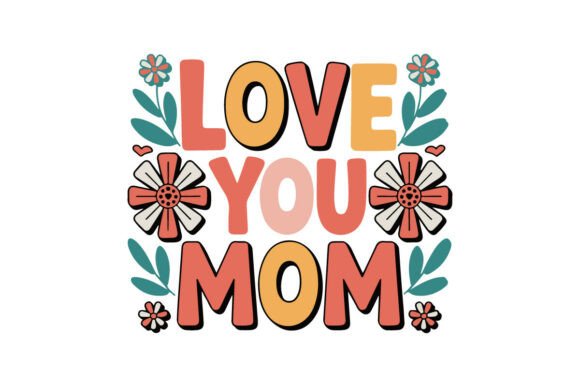
Evaluating the 'Love You Mom' Embroidery Design for Real Projects
As someone who stitches for clients and my own small shop, the first question I ask about any new embroidery file isn't just 'Is it pretty?' but 'How will it live?' How will it perform on a real sweatshirt, look after a dozen washes, and feel to the person who receives it? The 'Love You Mom' design immediately presents itself as a sweet and emotional piece, built around family love and appreciation. My initial impression is that it's soft in mood, likely relying on clean lines and a heartfelt theme to communicate its message.
The Mood and Practical Application
This design belongs to that category of graphics you reach for when the project needs warmth over wow. It's not a loud, decorative accent; it's a sentimental core. This makes it a natural fit for personalized gifts and custom apparel meant to convey a direct emotional message. Imagine embroidering this onto a linen kitchen towel for a Mother's Day breakfast bundle, or as a central motif on a cozy tote bag meant to carry a mom's daily essentials. The theme suggests it would resonate on baby items like a blanket corner or a simple pillow cover for a nursery, celebrating motherhood visually.
Where It Shines and Where It Needs Care
In practical embroidery situations, this design's success will hinge on clarity. On a sweatshirt or t-shirt, it needs to stitch cleanly to maintain its sweet personality. For a craft business or Etsy seller, this becomes a product that's highly 'giftable,' likely appealing to buyers looking for a handmade product with a clear, affectionate statement. Its value lies in its universal theme, boosting customer trust because the intent is so easily understood.
However, careful consideration is needed for certain applications. If the design contains small lettering or intricate details, small hoop sizes might not capture them well. Textured fabrics like some knit caps could blur softer elements. Embroidering on dark fabric requires excellent thread color contrast planning. Stretchy fabric and thin fabric will demand the right stabilizer to prevent distortion, especially if the design has areas of higher stitch density. On curved surfaces like caps, the layout must be tested to ensure it sits naturally without awkward breaks in the design flow.
Thinking Like an Embroidery Designer on a Real Job
Let's walk through a real case. Say a client requests a custom embroidered patch for a denim jacket, using this 'Love You Mom' design. My first step wouldn't be loading the file. I'd think about the patch's final use: will it be handled often? Does the jacket need frequent washing? This informs my choice of threads and backing. I'd then test the design on scrap fabric first, ideally a similar denim weight. This test reveals everything: how small details like potential decorative accents render, how the stitch density feels, and whether the overall shape holds its integrity.
Checking thread color contrast is crucial. I'd run the design in a black-and-white mockup to see if the values separate clearly, then compare it on both light and dark fabric backgrounds in my software. This preview work prevents a disappointing final product where the lovely message gets lost on the garment. I'd also confirm the hoop size needed. A design that's too large for a baby bib or too small for a welcoming apron loses its impact. The goal is a balanced, professional finish that enhances the visual appeal and the handmade presentation.
The Impact on Your Business and Your Client
For creative entrepreneurs and apparel decorators, using a design like this effectively boosts brand consistency if your shop specializes in heartfelt, family-oriented goods. It speaks directly to a customer's desire for a personalized gift, increasing buyer engagement. A well-stitched version on a high-quality tea towel or sweatshirt elevates the perceived product value. It feels professional not because it's complex, but because it's executed with care, making the emotion tangible.
However, it's vital to manage expectations. This is likely not a graphic for overly dense, complex stitch work. Its strength is in its emotional clarity, not technical showmanship. On products like holiday gifts or wedding gifts for mothers, that clarity is exactly what you want. The recognition is instant, and the professionalism comes from a crisp, clean stitch-out that looks intentional and lasting.
Essential Notes Before You Stitch
Before committing this design to a final project, whether for a commercial embroidery run or a single craft fair product, a few non-technical but critical steps remain. Always inspect the small details in your editing software. Zoom in. Does any tiny element look like it might become a thread snag or a blur? Second, use proper stabilizer for your chosen fabric. A sweet design can look sad and puckered if the foundation is wrong.
Most importantly, check whether the design works for both personal and commercial projects. The product category suggests it's a graphic, but the license terms are not provided here. You must confirm licensing before selling finished items or digital products. As a digital product seller yourself, respecting these boundaries is key to your business ethics. Only after confirming that, and after your successful tests on scrap, should you move to hooping that beautiful linen for your mom client's nursery decor pillow, or loading the file for the batch of Mother's Day tote bag designs for your small shop merchandise.
The 'Love You Mom' embroidery design, when approached with this practical lens, becomes more than a file. It becomes a reliable tool for creating something genuinely meaningful—a stitched sentiment that carries its weight in both thread and feeling.