Pretending Beach Life: A Designer's Take on a Summer Design
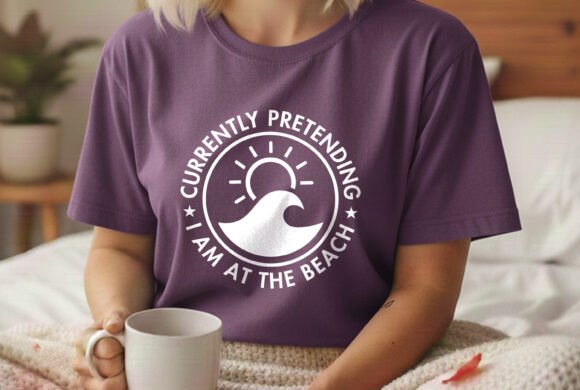
Whenever a new design lands in my library, I immediately start thinking about how it will translate into a real, stitched product. Today, I'm looking at Pretending Beach Life Funny Tee Svg. At first glance, it’s a cheerful, lighthearted statement piece perfect for summer vibes. But as an embroidery designer, my job is to think beyond the screen and envision how this graphic will perform under the needle, on fabric, and in the hands of a customer.
The Immediate Mood and Where It Belongs
The design’s personality is clear: it’s playful, relatable, and perfectly captures that "wishful thinking" feeling we all have on a busy workday. The layout is straightforward, with text as the main focus. This is a significant advantage for embroidery. It means clean, recognizable shapes without overly intricate details that could get lost in stitching. I can already picture this on a custom apparel item. It doesn't scream "just for tees," though. Its charm is versatile. I'm mentally placing it on a lightweight cotton apron for a quirky kitchen gift, or as a bold statement on a canvas tote bag for a beach-loving friend. The mood is casual and friendly, making it ideal for personalized gifts and everyday small shop product.
Performance in Real Embroidery Scenarios
Let’s talk application. I recently needed a design for a custom embroidered patch for a client’s beach-themed event. This design, with its clear lettering and solid conceptual shape, would have been a contender. When considering an embroidery file, I assess its adaptability. The provided high-resolution dimensions suggest it can be scaled well, which is crucial.
For a baby embroidery project, like on a little sweatshirt, I’d likely simplify the stitch density to keep it soft and lightweight. On a thick sweatshirt embroidery, you could use a fuller fill stitch for a more pronounced look. The true test is on curved surfaces, like caps. The text-based nature here is beneficial; it’s easier to hoop and stitch on a cap’s dome than a complex pictorial scene.
For craft business owners, this design slots nicely into summer holiday embroidery collections. It could be a quick-turn product for a craft fair or a popular listing on an Etsy seller’s page, especially paired with a good printable mockup. As a digital embroidery file, it serves as a solid design asset for creating finished product across multiple categories.
Where You Need to Exercise Some Caution
No design is universally perfect, and a practical review must highlight considerations. The primary focus here is text. If you scale this down dramatically for a very small hoop size, the lettering’s clarity is paramount. On textured fabrics or stretchy fabric, achieving crisp edges on the letters will require the right stabilizer and possibly adjusting stitch density.
Working on dark fabric demands thoughtful thread color selection. A light, sunny color palette would be essential to maintain the beachy feel and ensure readability. Also, on products like baby clothes or kitchen towels that need frequent washing, a robust stitching approach is needed to ensure longevity.
The design’s simplicity is its strength, but it also means that on a very large item, like a blanket, it might feel sparse unless you complement it with other elements. It’s a focal point, not a coverage design.
Impact on Your Project's Appeal and Value
Using a design like this effectively boosts visual appeal through its relatable humor. For a customer, it’s instantly understandable and engaging, which increases buyer engagement. In a handmade product, clean stitching clarity on this design communicates professionalism and builds customer trust. It looks intentional and well-executed.
For a creative entrepreneur, it aids brand consistency if your shop’s vibe is fun and personal. The giftability is high—it’s an excellent wedding gift for a couple who loves the coast or a fun present for a coworker. As a commercial embroidery asset, its recognition factor is good; people get the joke immediately, which is valuable for merchandise.
Practical Notes Before You Hoop the Fabric
My standard process applies here. Always test the design on scrap fabric first. Use a fabric similar to your final project—if it’s for a tee, test on a knit scrap. Check thread color contrast against your final fabric color in natural light. Review stitch density in your machine’s software; you might want to reduce it for delicate fabrics.
Confirm hoop size compatibility. The design’s dimensions are generous, but ensure your machine can handle the size you intend to output. Inspect small details in the preview—are any corners or serifs in the lettering too tiny to stitch cleanly? Test it in black and white mockups to see how it reads as a silhouette.
Crucially, compare light and dark fabric backgrounds digitally to plan your thread palette. And a non-technical but vital step: check whether the design works for both personal and commercial projects and confirm licensing before selling finished items. The product description notes it’s a Graphics file, but the specific usage rights should be verified by the designer.
In summary, Pretending Beach Life Funny Tee Svg is a charming, straightforward design that translates well into numerous embroidery projects. Its success hinges on mindful application—choosing the right product, fabric, thread, and stitch settings to let its playful personality shine through in every stitch.